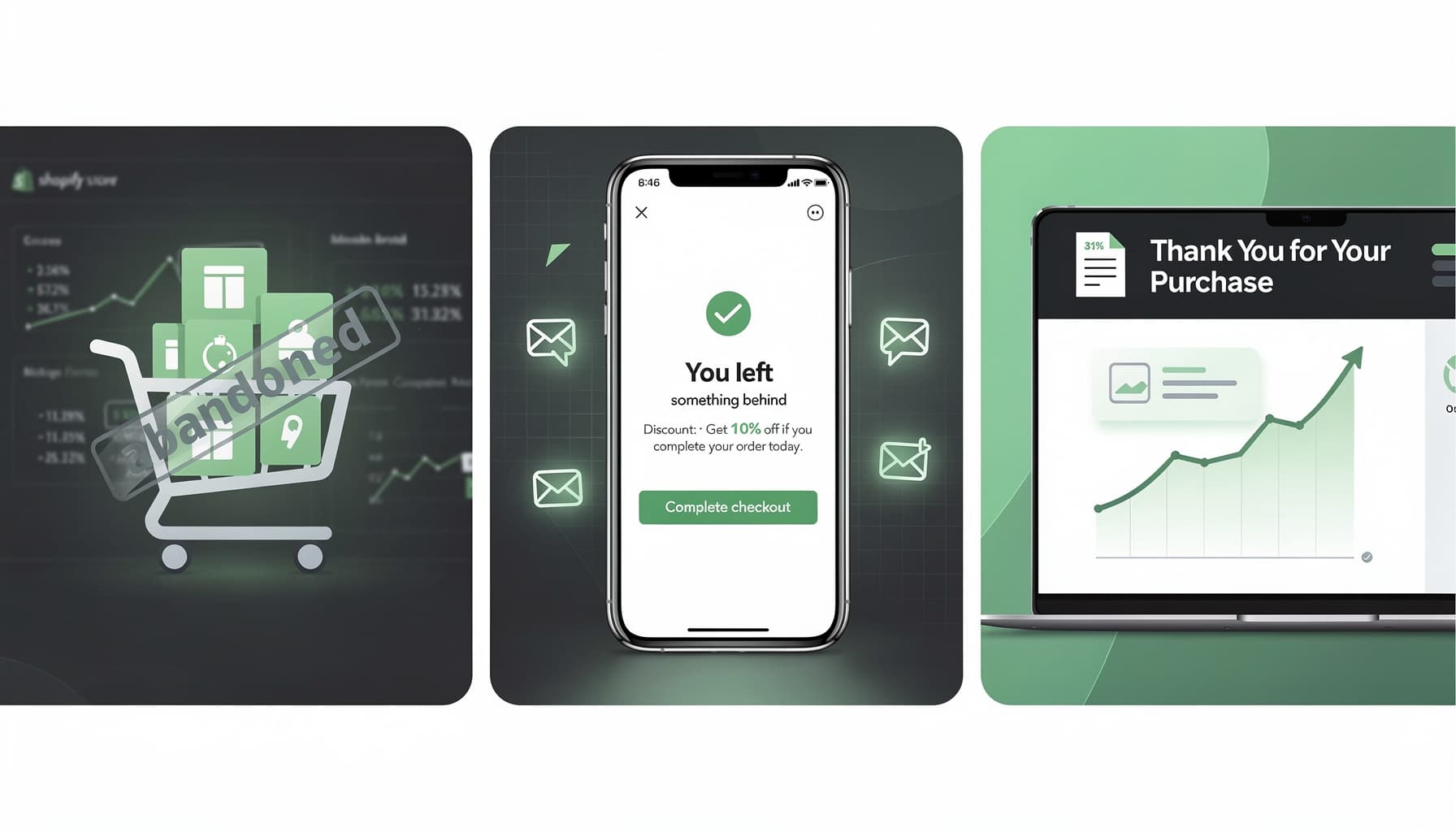
Why Your Checkout Pages Are Losing Customers

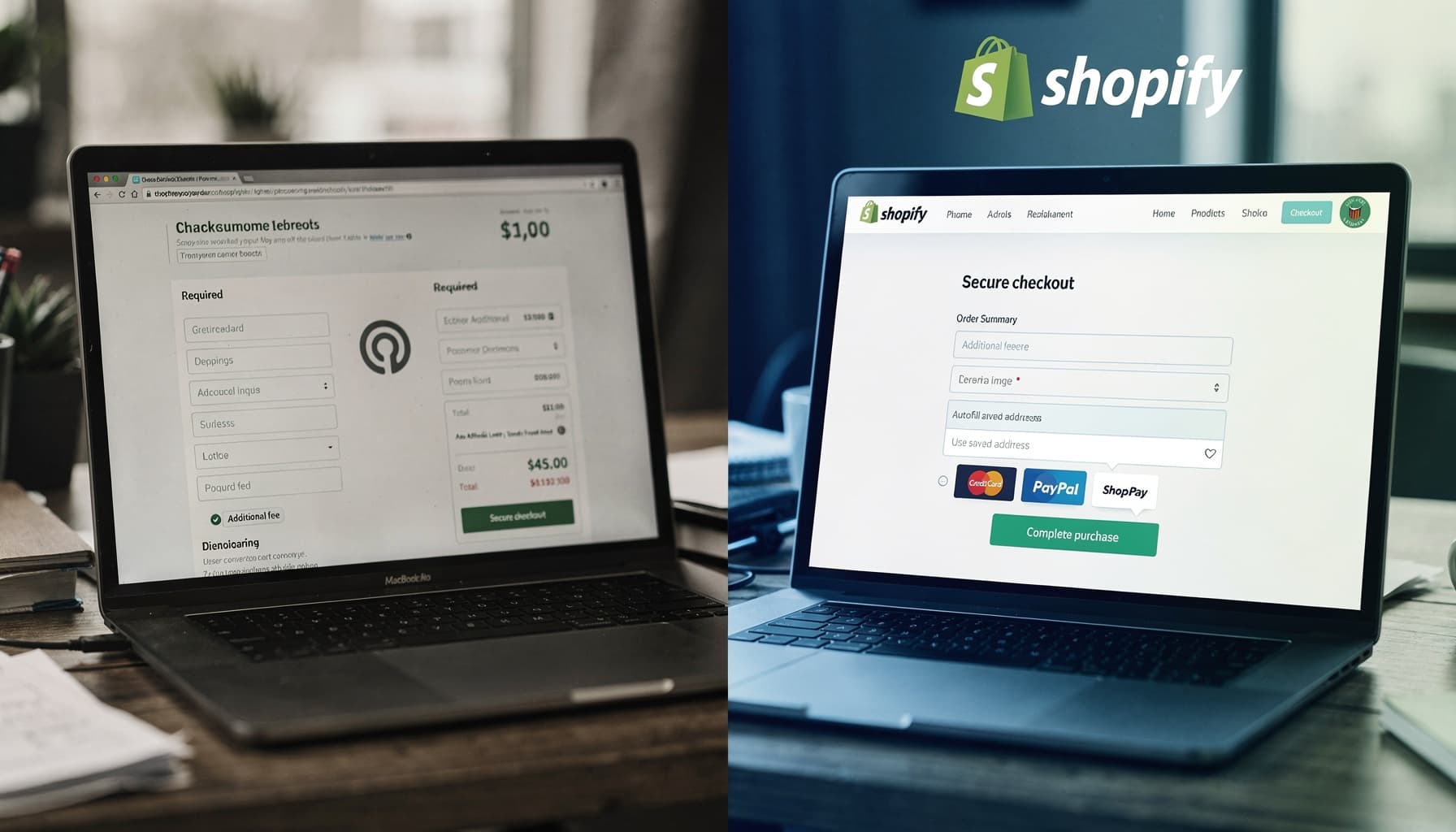
At Peak Pilots, we have optimized over 100 Shopify checkout flows for D2C brands and helped reduce cart abandonment rates by up to 26%.
Ecommerce checkout optimization is critical for retaining customers and boosting sales. Despite effective product pages and advertisements, many ecommerce businesses lose potential buyers during the checkout process. The often-overlooked negatives, confusing forms, unexpected fees, or lack of trust signals, undermine all other efforts. Keep reading to understand why your checkout page might be losing valuable customers and how to fix it.
What is Ecommerce Checkout Optimization?
According to Statista (2024), 70% of online shopping carts are abandoned before purchase, with a significant portion lost during the checkout process. That number should stop you cold.
Optimizing your ecommerce checkout isn't just about reducing cart abandonment, it's about building a customer journey that earns trust at every step. That means simplified form fields, multiple payment options, and pricing that's transparent from the start, so buyers never feel surprised or second-guessed.
A checkout that's been properly optimized doesn't just move faster, it removes the small doubts that quietly kill conversions. A D2C skincare brand I worked with cut cart abandonment from 72% to 58% by streamlining their checkout flow, enabling one-click payment, and adding autofill, which pushed mobile conversions up 21% in three months.
Expert Note: Adding Google Address Autocomplete can cut checkout field completion times by more than 30% on mobile.
Key Takeaway: Add address autofill and dynamic payment buttons to reduce checkout time and increase conversion rates.
Understanding Checkout Behavior and Drop-Off Points
According to Statista (2023), 70% of online shopping carts are abandoned during checkout. That number should stop every ecommerce brand in its tracks. Ecommerce checkout optimization isn't a nice-to-have. It's the difference between a thriving store and one bleeding revenue quietly every single day.
Common Checkout Friction Points
Most people treat checkout abandonment as one problem, but it's actually several problems stacked on top of each other: unexpected shipping fees, forced account creation, slow load times, and limited payment options. Each one kills conversions on its own.
An athletic apparel brand realized $1M in annual revenue could be increased by addressing payment step drop-offs caused by hidden shipping costs and no guest checkout option. Implementing one-page checkout, upfront shipping estimates, and guest access increased checkout completion from 62% to 76% in just 60 days.
Data-Driven Insights on Cart Abandonment
Many brands guess why shoppers leave, but the Baymard Institute (2023) found 18% of US online shoppers abandon checkout because it feels too long or complicated. The data points straight at your checkout flow, not your creative or your targeting.
I've audited stores spending ₹3L/month on Meta ads where GA4 showed 40% of users dropping off at the address field alone , a fixable UX issue that was silently eating their ROAS. Tools like GA4 and Hotjar tell you exactly where people leave, so you stop guessing and start fixing the right things. Brands that act on granular behavioral data consistently outperform those running on gut instinct.
Expert Note: Reviewing GA4 funnel visualization reports can reveal specific fields or steps in your checkout where users are most likely to abandon the process.
Key Takeaway: Use behavioral analytics tools like Hotjar or GA4 to identify and fix the exact steps that cause checkout abandonment.
Ecommerce Checkout Optimization Strategies for Boosting Conversions
According to Statista (2024), 70% of online shopping carts are abandoned at checkout. That number should stop you cold. Your product pages are working. Your ads are converting. But somewhere between "Add to Cart" and "Order Confirmed," you're losing customers you already earned.
Checkout friction isn't just a design problem, it's a psychological one. Every extra form field or unnecessary step adds hesitation, and hesitation kills conversions. According to Baymard Institute (2024), 17% of shoppers abandon carts due to complicated processes. A D2C skincare brand increased conversions from 1.2% to 2.1% by reducing checkout to one concise page.
Audit your checkout flow now, remove any non-essential fields and consider a one-page checkout to minimize friction and keep customers moving forward.
Trust badges, plain language, and clear policies go a long way in reducing purchase anxiety. Your checkout page needs visible security seals, return policies, and social proof right next to the payment button. If those signals aren't obvious at the moment someone is deciding, fix that today.
Hidden fees are a silent conversion killer. Show real shipping costs and payment options early, not at the last step when the customer is already committed. Run through your own checkout as a first-time buyer and note every moment that made you pause.
One mid-sized D2C skincare brand I worked with was sitting on a simple win they hadn't touched: post-purchase upsells. Once we set up automated flows tied to what the customer just bought, their average order value jumped 9% within the first month. The timing matters here, buyers are most receptive right after they've said yes.
Expert Note: Implementing progress bars in multi-step checkouts can reduce abandonment by providing users with a clear sense of where they are in the process.
Key Takeaway: Add a checkout progress indicator to make the process feel shorter and more transparent for your customers.
Ready to stop doing this manually? Ready to scale beyond limits? Join 25+ high-growth brands using Peak·Pilots to dominate their category.. Book a free consultation and get your automation roadmap in 48 hours.